Yoga in Kerala, India
Yoga in Kerala combines the state’s ancient Ayurveda tradition with backwaters, beaches and green hills. National Geographic magazine once named Kerala among the “Top 50 paradises of the world”, and it is easy to see why: lush palm trees, paddy fields swaying in the wind, elephants and long stretches of backwaters. Its dedication to ancient traditions and Ayurveda gives the state a calm, peaceful atmosphere that is ideal for the practice of yoga. No wonder Kerala is among the most-visited destinations in India for yoga enthusiasts and learners alike. From the foothills to the seaside, there is a wide choice of locations and centres. Depending on your plans, it is a good idea to include some Ayurvedic treatments during your stay.
The best time to visit Kerala is October to March, when the climate is pleasant. June to August brings the rains and March to May is summer, so travel is less comfortable then. Mid-December to mid-January is the peak season, so if you plan to visit then, book your classes in advance to avoid the last-minute rush.

Backwaters of Kerala – Photo Credits: Kerala Tourism
Yoga Centres & Ashrams in Kerala
The most popular forms of yoga taught in Kerala are Hatha yoga, Vinyasa yoga, and Sivananda yoga. Other forms like Iyengar yoga, Kallari yoga (a mix of Kalaripayattu—the ancient martial art of Kerala, and yoga), multi-styled yoga (a mix of forms), Mysore-style Ashtanga yoga, and Kriya yoga are also available, though the number of specialised classed are few. Institutions like Sivananda yoga centre and Santhi yoga offer residential Teachers Training Courses (TTC). The duration depends upon your choice of programme. Places like Munkudil Ayurveda and yoga retreat, Agnihotra yoga retreat, etc. offer a yoga holiday that is inclusive of stay, food, and yoga lessons.
Spiritual places to visit in Kerala
Kerala is home to a rich diversity of people and religions co-exist in harmony here. The state welcomes you to explore its cultural heritage and also marvel at the influences various rulers have had on the architecture of these attractions. However, there are few places of worship where only people of a specific faith/gender are allowed to enter. Some places also warrant a dress code and have fixed visiting hours. So, do confirm things beforehand.

Photo Credits: Kerala Tourism
Sree Padmanabhaswamy Temple
One of the richest temples in the world, it is also one of the 108 Divya Desams (holiest abodes) of Lord Vishnu.

Yahoorajeshon, CC BY-SA 3.0, via Wikimedia Commons
Guruvayur Temple
The temple is dedicated to Lord Krishna’s avatar, Guruvayurappan, and is considered a must-visit by devotees.

Photo Credits: Kerala Tourism
Attukal Bhagavathy Temple
This Guinness Book of World Records-featured temple is dedicated to Kannaki, an incarnation of Goddess Parvathi.

Vibitha vijay, CC BY-SA 3.0, via Wikimedia Commons
Mannarasala Nagaraja Temple
Nestled in a forest, this unique, serpent-God temple is surrounded by sprawling groves that are conducive to the breeding and movement of snakes there.
Other attractions in Kerala
Kerala’s tropical climate is almost moderate most of the time. While the higher ranges remain cool year-round, the plains tend to stay warm/hot and humid mostly. The state is home to wild elephants, exotic birds, and many other marvels of nature. Its vibrant traditions, temple festivals, and friendly people add colour to even the smallest villages. A few places here have a local and modern version of their names (Trivandrum — Thiruvananthapuram, Alleppey — Alappuzha, Kochi — Cochin), so it’s good to confirm the same. Also, “nanni” means thank you in Malayalam, so try and say one in response to any help. You’d sure see more smiling faces.

Photo Credits: Kerala Tourism
Sink your toes in the sand
North Kerala has the best beaches in the state and Muzhappilangad一Asia’s longest drive-in beach一must feature on your list.


Photo Credits: Kerala Tourism
Savour a Kathakali performance
Decked in character-based makeup and costumes, the actors act out stories revolving around Hindu mythology and ancient Indian epics.
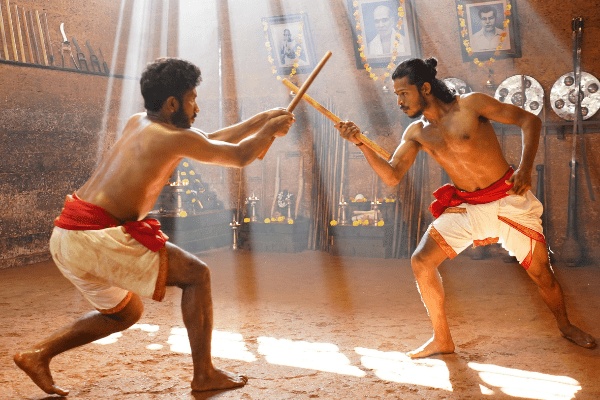
Photo Credits: Kerala Tourism
Witness a Kalaripayattu demonstration
The agile practitioners of this art are sure to make you go wide-eyed in awe.